







Non Age Statement Whisky: What Does NAS Mean?
When shopping for whisky, the age statement is often one of the first things we look at.
12 years. 15 years. 18 years. 25 years.
But what about bottles without an age on the label?
You may have come across the term NAS, or Non Age Statement, and wondered what it means — and whether a whisky without an age statement can really be as good as one that has one.
The short answer is: absolutely.
Here's everything you need to know about NAS whisky.
What does NAS mean?
NAS stands for Non Age Statement.
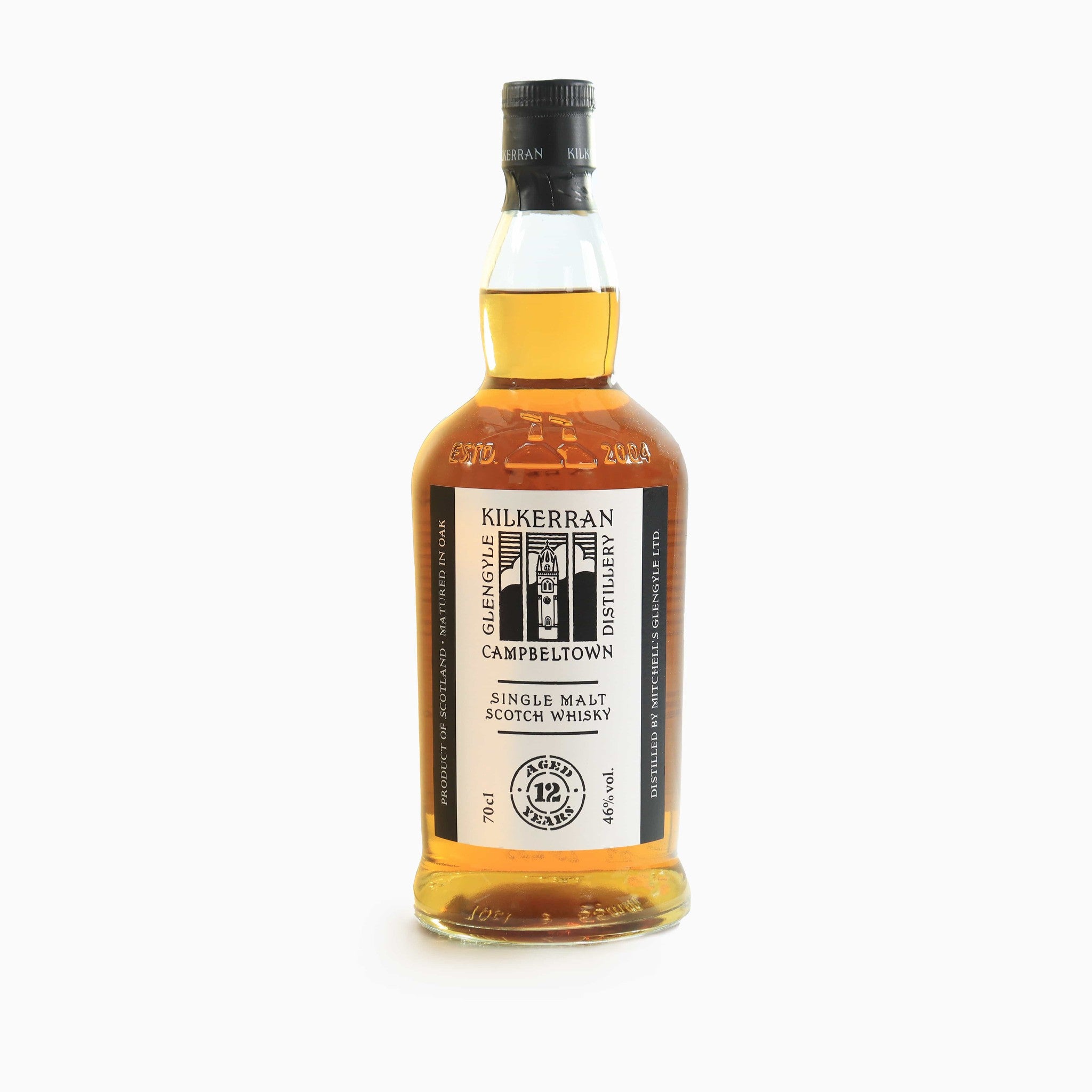
A whisky with an age statement tells you the age of the youngest whisky in the bottle. So, if a Scotch whisky carries a 12-year-old age statement, every drop of whisky in that bottle must have been matured for at least 12 years.
A NAS whisky simply doesn't state an age on the bottle.
That doesn't mean the whisky is necessarily young. It can contain whisky of different ages, but the producer has chosen not to make a specific age the headline.
Instead, the focus may be on the flavour, character and overall profile of the whisky.
Why don't all whiskies have an age statement?
There are several reasons a distillery or whisky producer might choose to release a NAS whisky.
One of the biggest is flexibility.
With an age statement, the producer has to ensure that every whisky used in the final bottle meets that minimum age. Without one, the whisky maker has more freedom to select different casks and ages to create the flavour profile they're looking for.
That could mean combining older and younger whisky to achieve a particular balance.
Rather than asking "How old should this whisky be?", the focus becomes:
"What whisky will create the flavour we want?"
Does NAS mean the whisky is young?
Not necessarily.
This is one of the biggest misconceptions surrounding NAS whisky.
A bottle without an age statement could contain whisky of several different ages. The lack of a number on the label doesn't tell you that the whisky is young — it simply means there isn't a declared age statement.
It's also worth remembering that age isn't the only factor that determines the character or quality of a whisky.
Cask type, maturation conditions, the spirit itself and how different casks are brought together can all have a significant influence on the final whisky.
Is older whisky better?
It's tempting to assume that an older whisky must automatically be better.
After all, if a 25-year-old whisky costs more than a 10-year-old whisky, surely the older one must be superior?
Not quite.
Age can have a huge influence on whisky. Over time, the spirit interacts with the wood, developing new flavours and characteristics. But more time in a cask doesn't automatically mean a better whisky.
Some whisky styles are designed to showcase freshness, spice, fruit or intensity, while others benefit from decades of maturation.
Ultimately, it's about what you enjoy in the glass.
An expertly created NAS whisky can be every bit as interesting as a whisky carrying an age statement.
NAS gives whisky makers more freedom
One of the biggest advantages of NAS whisky is the freedom it can give the whisky maker.
Instead of being tied to a particular age, they can select casks based on their individual characteristics.
A younger whisky might bring freshness and vibrancy, while an older whisky could contribute depth and richness. Different cask types can add notes of vanilla, dried fruit, spice, chocolate, caramel or oak.
By carefully combining these whiskies, the producer can create a particular style without having to work towards a single age.
For whisky lovers, that can mean some really interesting bottles to explore.
What should you look for when buying NAS whisky?
If you're used to choosing whisky based on its age statement, NAS bottles can feel a little different.
Instead of looking for a number, pay attention to how the whisky was made and what flavour profile it offers.
Look at things such as:
- Cask type – Bourbon, sherry, wine and other casks can all influence the final flavour.
- Maturation – Where and how the whisky was matured can make a difference.
- Cask finishes – Some whiskies are finished in another type of cask to add another layer of flavour.
- Tasting notes – Look for flavours that appeal to you rather than simply choosing based on age.
- The producer's style – Distillery character can be just as important as age.
Don't overlook NAS whisky
Age statements are useful. They give us a clear indication of the minimum age of the whisky in the bottle.
But they're not a guarantee of quality — and the absence of an age statement isn't a warning sign.
NAS whisky is simply another way of making and enjoying whisky.
So next time you see a bottle without an age statement, don't immediately pass it by.
Take a look at the cask, the tasting notes and the story behind the whisky.
Because when it comes to choosing your next dram, there's much more to whisky than the number on the label.
NAS Top Picks:
Tamdhu - Cigar Malt (Batch 3)
Bruichladdich - Classic Laddie
Ardbeg - An Oa
Glenfiddich - Fire & Cane (Experimental Series)
Arran - Port Cask Finish