

Think of the word ‘whisky’ and usually Scotch whisky or Irish whiskey will spring to mind. And for good reason. Both Scotch and Irish are two of the most popular types of whisky in the world with a history dating back centuries. But what is the difference between Irish and Scotch whisky?
In this blog, we’ll delve into these two iconic whiskies, uncovering their shared origin, how they’re made, their subtypes, and what sets their flavours apart. Plus, we’ll recommend three standout Irish whiskeys and Scotch whiskies for you to try.
Ready? Let’s dive in.
What is Irish and Scotch whisky?
Whisky, by definition, is a spirit made from fermented grain mash, distilled and then aged in a wooden cask. Both Scotland and Ireland produce their own whiskies, which are similar in many ways, but have their own unique attributes.
Irish whiskey
Irish whiskey is an approachable spirit which is most often triple-distilled, resulting in a smooth, mellow character and subtle complexity. Produced across the Republic of Ireland and Northern Ireland, it has a long history and is enjoyed for its easy-drinking style and distinctive flavour profile.
Scotch whisky
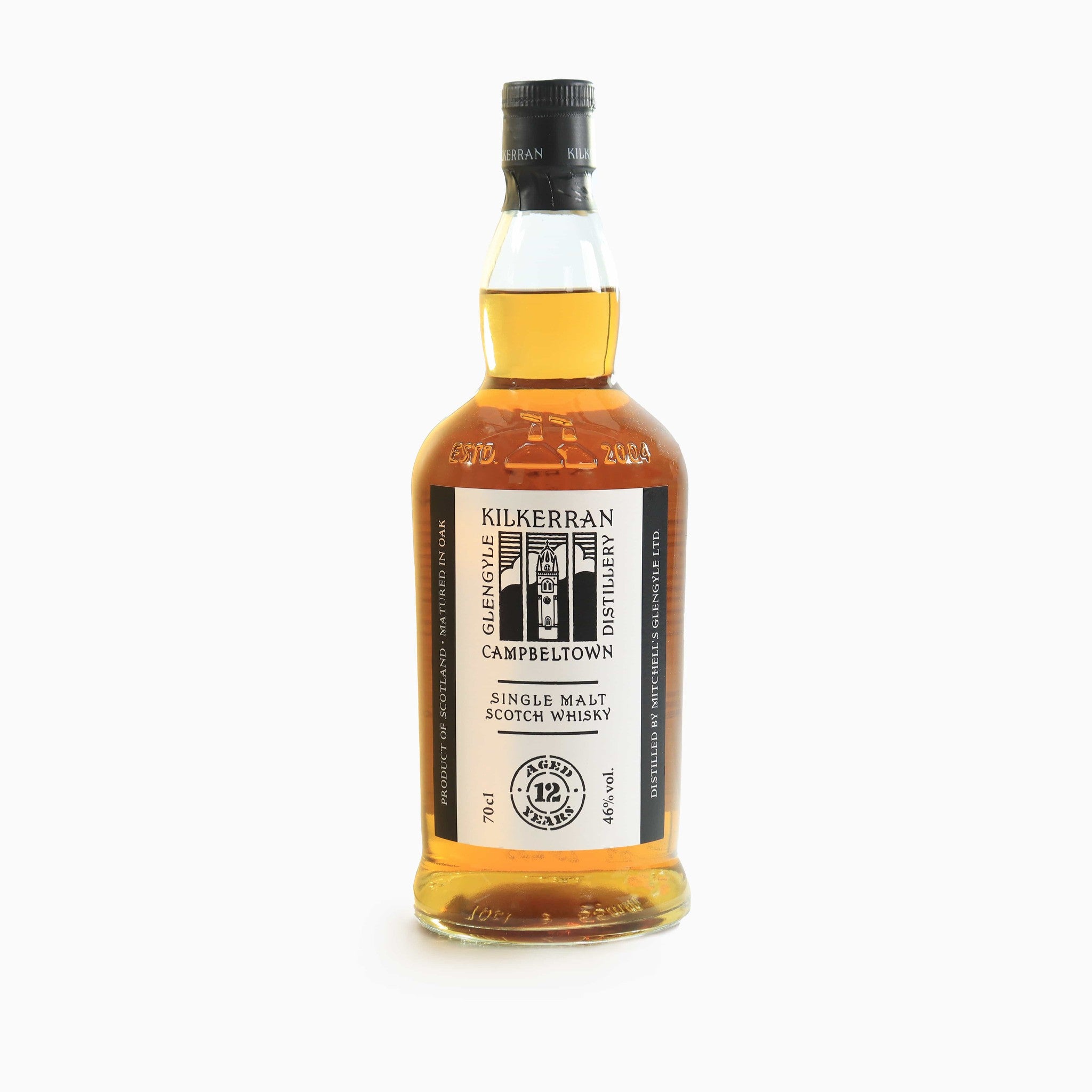
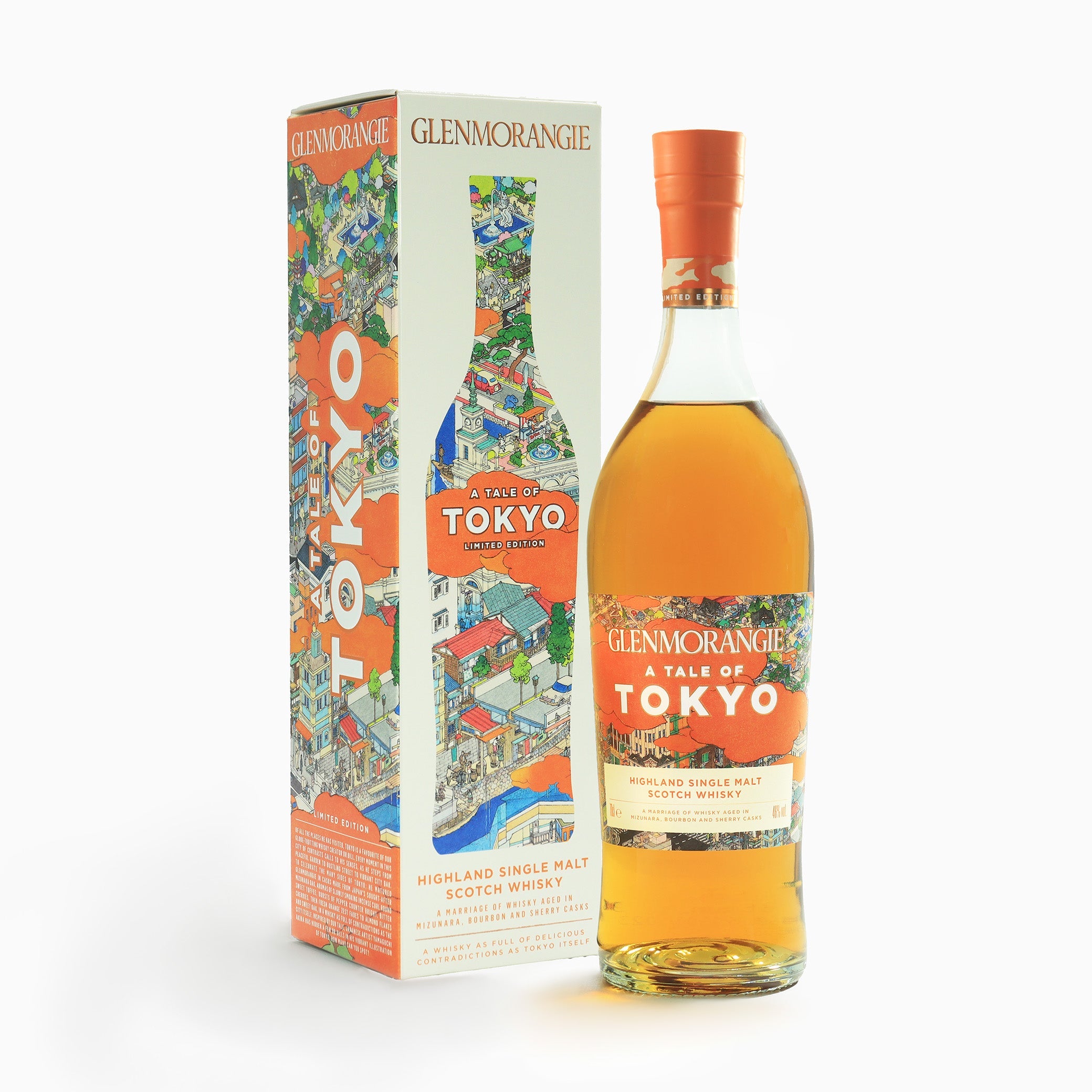
Scotch whisky, often simply referred to as Scotch, is produced across five distinct regions in Scotland, each with a diverse taste profile. It has a rich history and is world-renowned for its quality, producing some of the finest and most iconic whiskies in the world.
Why are they spelled differently?
In the 18th century, both Scotch and Irish distillers would generally use the word without the ‘e’, but during the 19th century Ireland’s distillers began inserting an ‘e’ as a way to differentiate Irish whiskey from Scotch. Later, the spelling for Scotch whisky (without the ‘e’) became enshrined into UK law.
What are the origins?
Scotch whisky and Irish whiskey share an early origin story which began in ancient China. The art of distillation is thought to have been discovered in around 2000 BC as a way of making perfume, balms and potions. It eventually made its way westward with Chinese traders to the great civilisations of central Arabia, Greece and Egypt. The technique reached northern Europe in around the 11th century, likely brought back by missionary monks.
Irish whiskey
It’s thought that the practice of distillation arrived in Ireland first.
Irish monks used the technique to make a bitter tonic (initially to cure ailments) which they referred to as ‘aqua vitae’ in Latin, meaning ‘water of life’. Soon, aqua vitae began to be referred to by the Irish Gaelic translation of its name ‘uisce beatha’, pronounced ISHKA BAH-HA.
Over time, monks shared their distilling knowledge with local farmers in exchange for the barley they needed to produce uisce beatha.
Scotch whisky
Not a lot is known about the very early days of whisky distillation in Scotland, because the early distillers rarely kept written records! However, we know that distilling was widely in practice by the late 15th century. In fact, the first written record of whisky making appeared in 1494, in the Scottish Exchequer Rolls.
Scottish monks shared their knowledge with local farmers, who distilled whisky in makeshift stills as a way of using up excess barley crops. By the late 18th century, purpose-built distilleries began producing whisky commercially on a large scale.
What are the types?
Both Irish and Scotch whisky have their own distinct types.
Irish whiskey
There are four types of whiskey produced in Ireland:
1. Single malt whiskey
Crafted from 100% malted barley and distilled in a copper pot still at one single distillery.
2. Single pot still whiskey
Crafted from a combination of malted and unmalted barley and distilled in a copper pot still at one single distillery.
3. Grain whiskey
Crafted from a variety of grains including barley, corn, wheat and rye, and distilled in a column still.
4. Blended Irish whiskey
Blended from a combination of single malt, grain and single pot still whiskey.
Scotch whisky
Scotch whisky is categorised into five types:
1. Single malt whisky
Crafted from 100% malted barley and distilled in a copper pot still at one single distillery.
2. Single grain whisky
Made from malted barley and grains, such as wheat, corn, rye and barley at one single distillery and distilled in a column still.
3. Blended whisky
Blended whisky is made by combining one or more single malt whiskies with one or more grain whiskies.
4. Blended grain whisky
Blended grain Scotch whisky is a blend of grain whiskies sourced from multiple distilleries.
5. Blended malt whisky
Blended malt whisky is made by mixing two or more single malt whiskies.
Regions
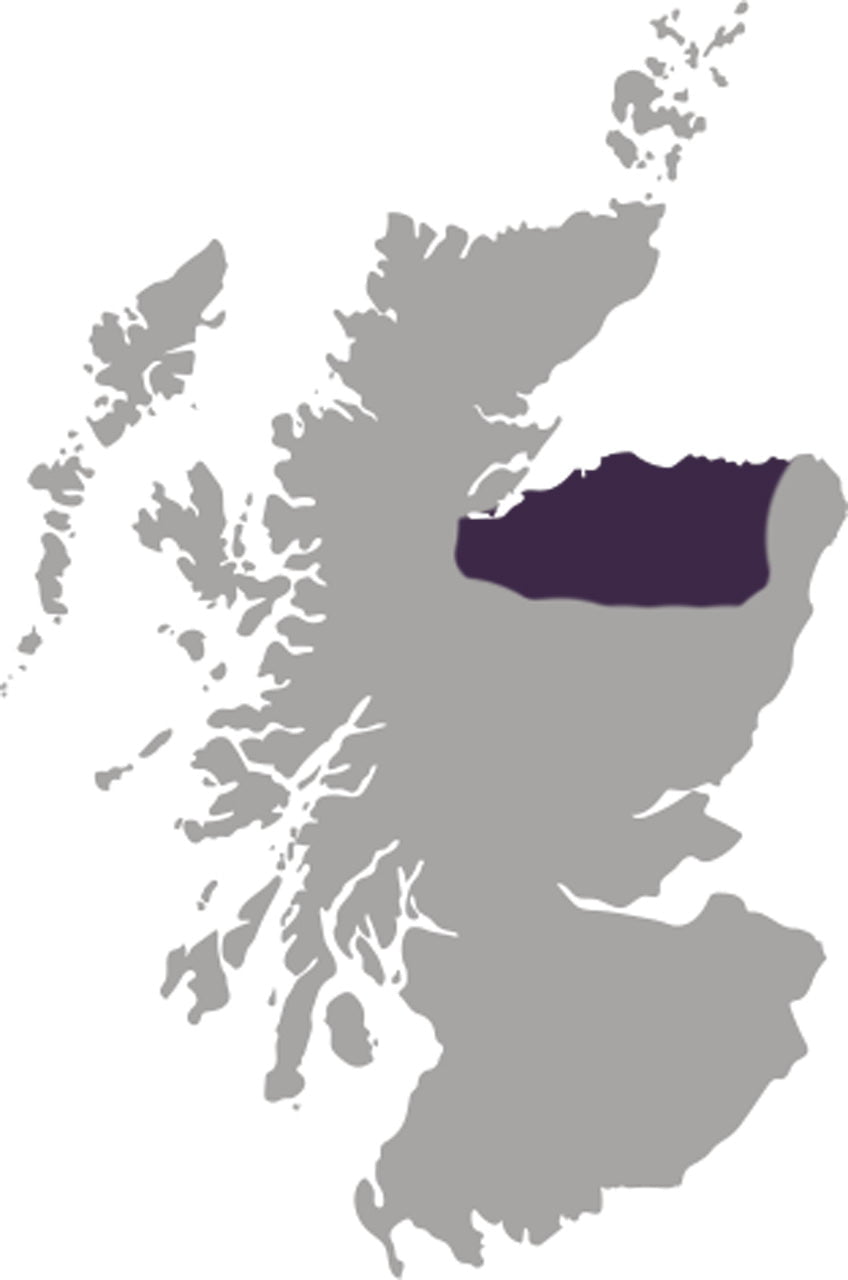
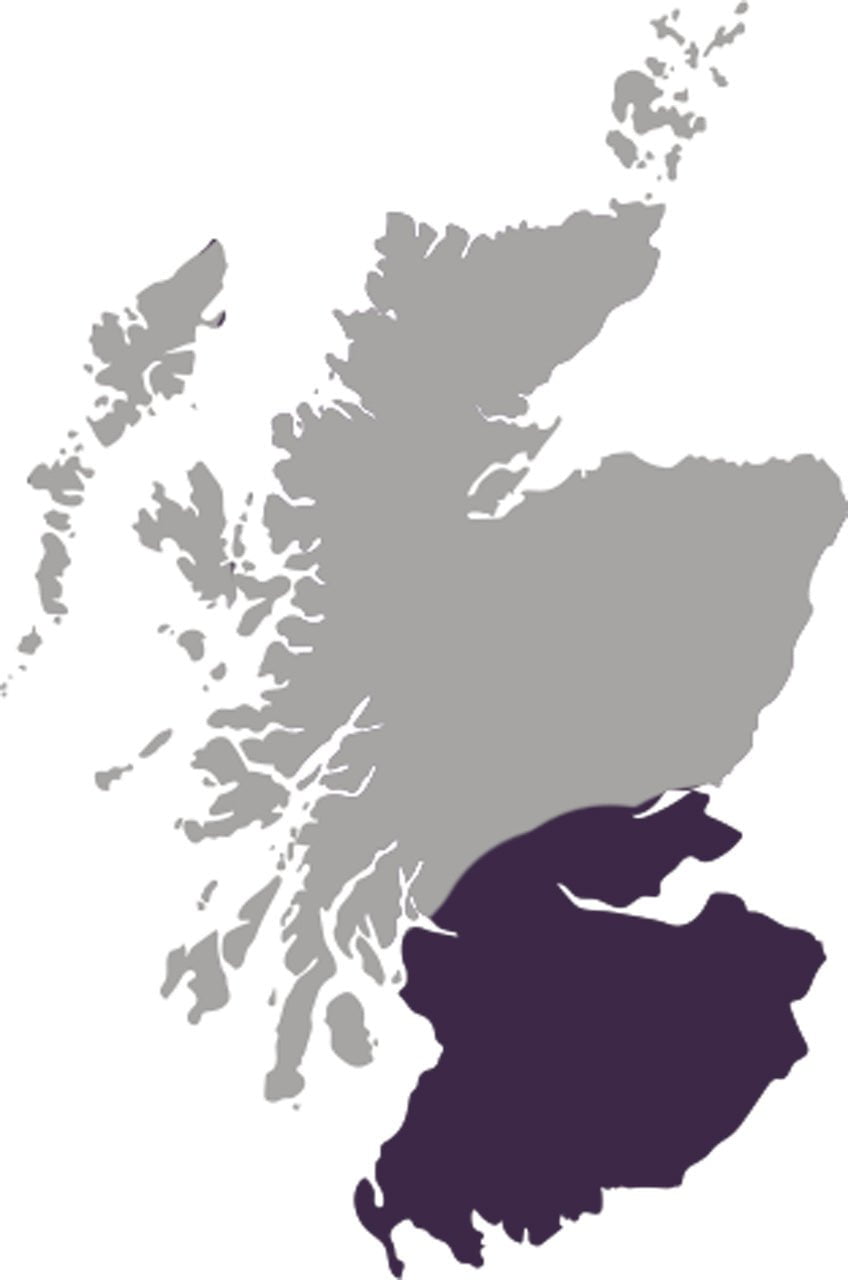
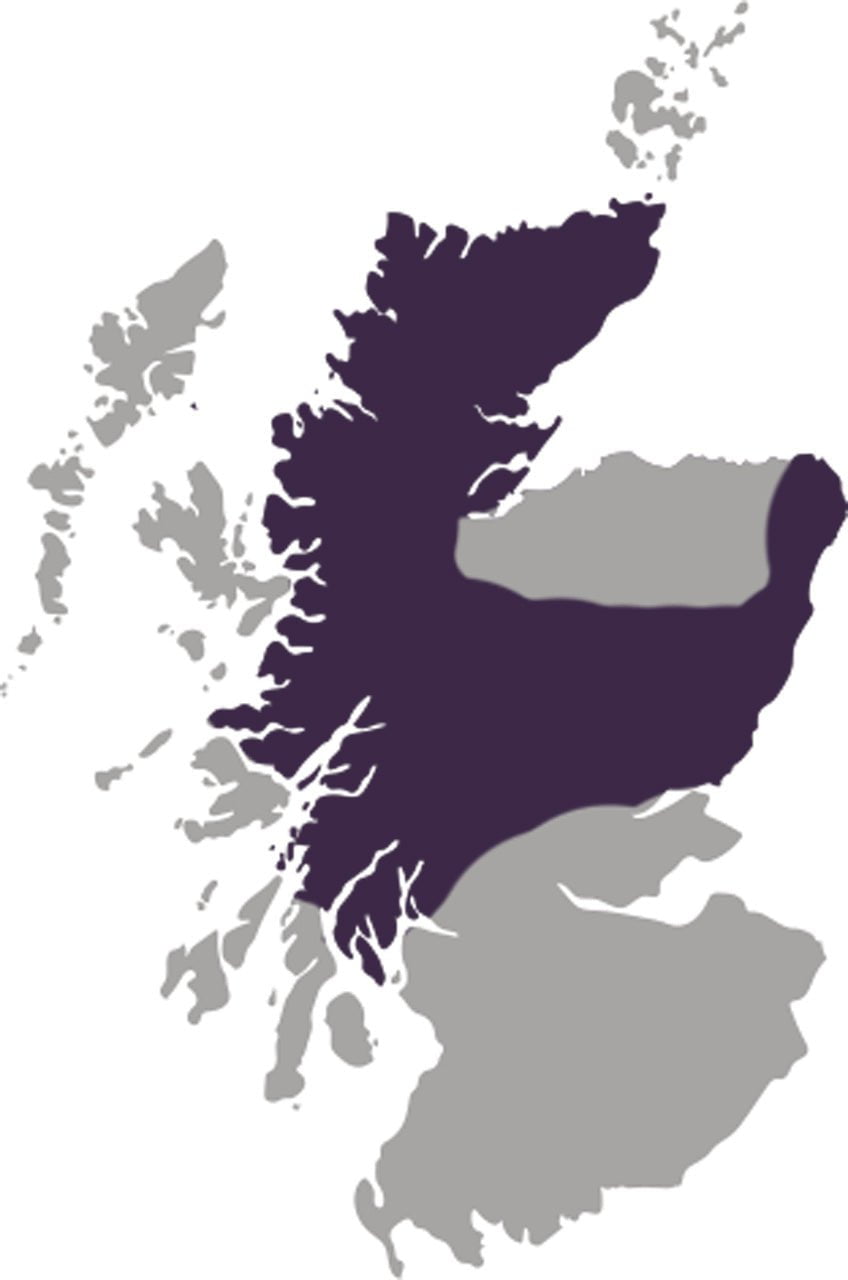
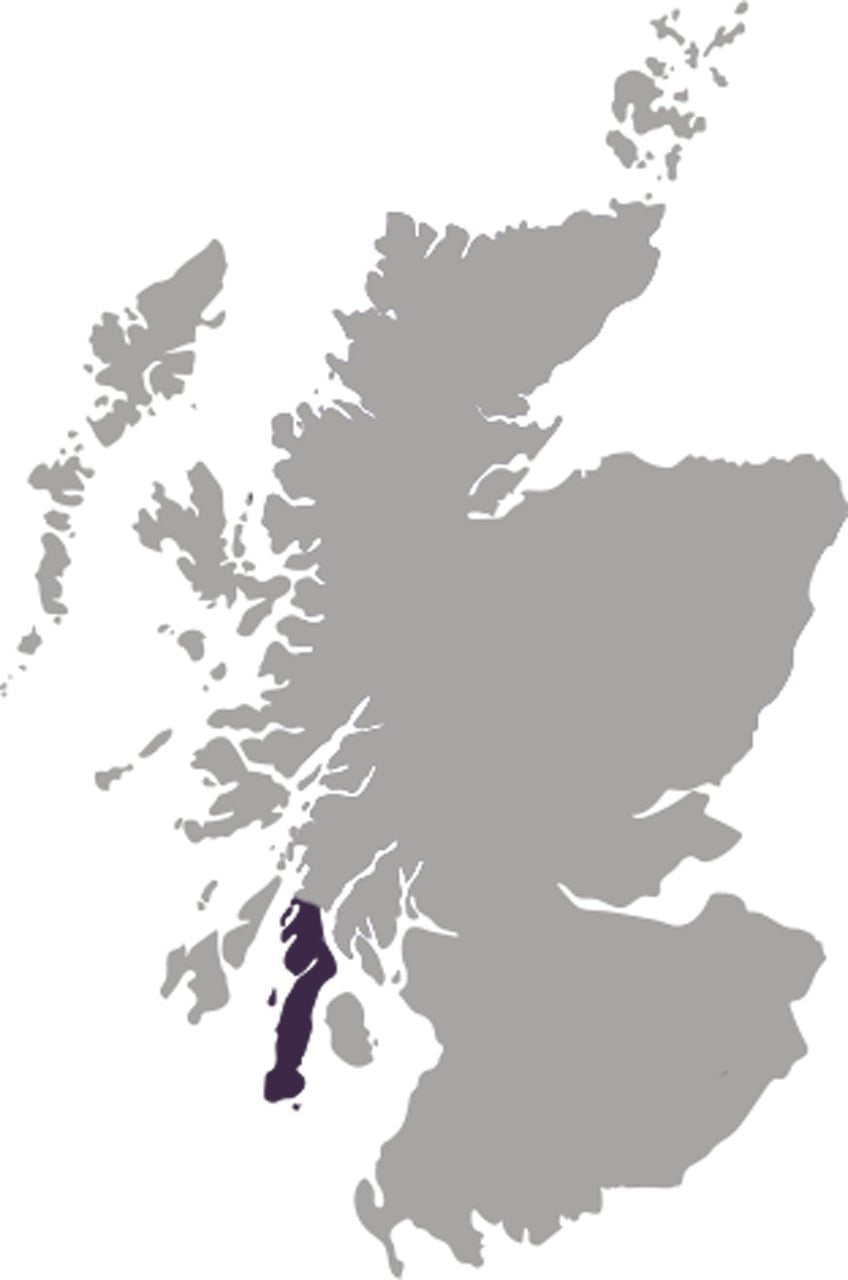
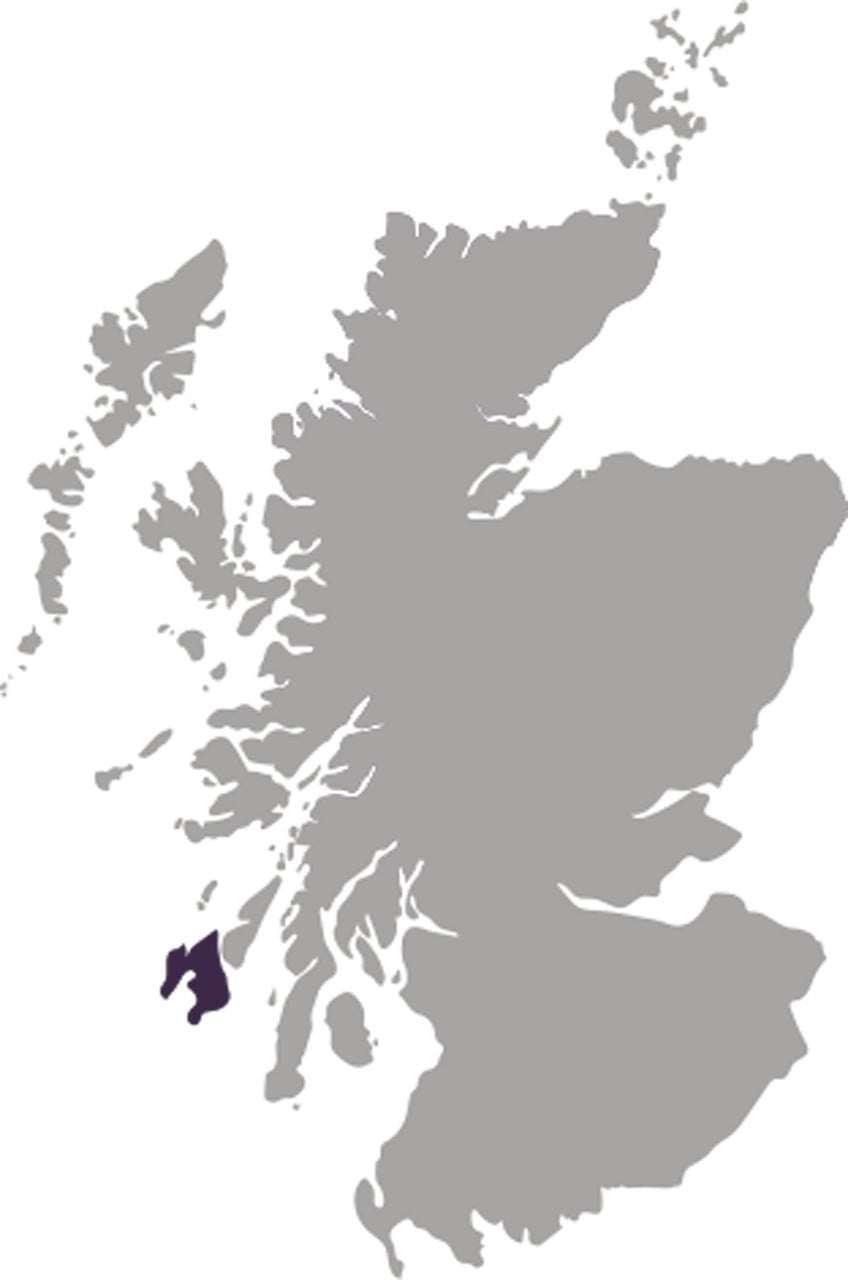
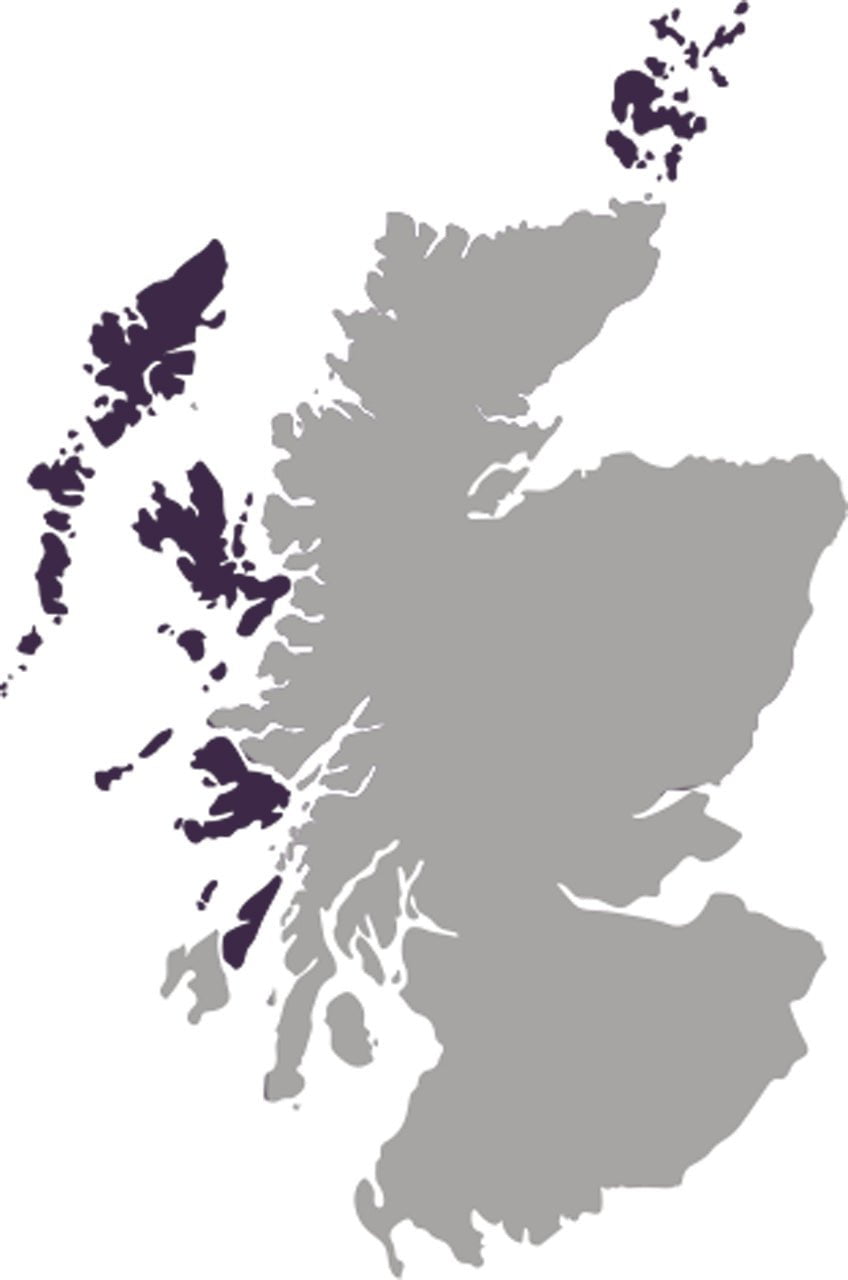
Irish whiskey isn’t classified by region, but Scotch whisky has five official whisky-producing regions: Highland, Speyside, Lowland, Campbeltown, and Islay - each known for its distinct style and flavour characteristics.
Production
All whisky, whether Irish or Scotch, begins with milling the grains into a coarse flour called grist. This is then mashed with water in stages to extract a sugary liquid known as wort. The wort is fermented for two to three days to create a ‘wash,’ which is then distilled to make a ‘new make’ spirit.
Distillation
Generally, Scotch whisky is distilled twice, while Irish whiskey is distilled three times. However, these are generalisations - some Irish distilleries use double distillation, and a few Scotch producers triple-distil their spirit.
The clear ‘new make’ spirit then goes into the chosen cask to begin a period of ageing.
Maturation
Both Scotch and Irish whiskey have a minimum ageing period of three years. However, Scotch whisky must be aged only in oak casks, whereas Irish whiskey can be matured in other wood types like cherry, chestnut and mulberry.
Flavour
Irish whiskey
Common flavour notes include honey, vanilla, citrus, toasted wood, and gentle spice. Because it’s usually triple-distilled and often made without peat, it lacks the smokiness found in some Scotch whiskies, making it mellow, slightly sweet, and easy to drink.
Scotch whisky
Common flavours include notes of fruit, smoke, malt, oak, and spice. Highland Scotch may be rich and sweet, Speyside is often fruity, Campbeltown is known for its oily mechanical notes, Islay tends to have a bold peat influence, and Lowland Scotch is often light and floral.
Peated whisky
Some Scotch whisky is ‘peated’, meaning that it has a distinctive smoky aroma and flavour. This smoky character comes from malt which has been dried over a peat-fuelled kiln fire. As the peat burns, it releases aromatic compounds that infuse the barley with a bold, earthy smokiness.
How should I drink them?
How you enjoy Scotch whisky or Irish whiskey is entirely up to you. Some prefer it neat at room temperature, while others like it over ice or as part of a classic cocktail, such as an Old Fashioned or a Whisky Sour. You might also enjoy Irish whiskey in an Irish coffee.
Our picks – Scotch and Irish whiskey
Irish whiskey
Jameson Black Barrel Blended Irish Whiskey is a rich, smooth blend of grain and single pot still whiskey, triple distilled and matured in double-charred barrels for an intensified flavour. Expect notes of toasted oak, spice, creamy vanilla, and sweet sherry richness.
Teeling Single Grain Irish Whiskey is matured in ex-California Cabernet Sauvignon wine casks and offers rich, sweet flavours of red berries and spice. Smooth and bold, it’s a distinctive, award-winning Irish whiskey experience.
Redbreast 12-Year-Old Cask Strength Pot Still Irish Whiskey is rich, robust, and full-bodied. Bottled at cask strength, it delivers intense flavours of ripe fruits, spice, and creamy oak, showcasing traditional Irish craftsmanship.
Scotch whisky
Bowmore 12-Year-Old Sherry Oak Single Malt Scotch whisky is beautifully balanced, offering rich sherry sweetness, subtle peat smoke, dried fruits, and dark chocolate notes, matured in hand-selected Oloroso sherry casks for depth and complexity.
Chivas Regal Mizunara Blended Scotch Whisky is inspired by Japanese tradition. Finished in rare Mizunara oak casks, it offers a harmonious blend of juicy orange, smooth honeyed malt, and delicate spice.
Ryelaw (2017) Single Grain Scotch Whisky offers a bold, spicy profile with notes of toffee, summer berries, vanilla, and toasted oak. This limited-release whisky is crafted with rye and malted barley for a distinctive, smooth finish.
Whichever whisky you choose – Irish or Scotch, you’ll find plenty of variety in our range of Scotch whisky and Irish whiskey on our website. Additionally, we stock a wide range of world whiskies, old & rare whisky, whisky gift sets and glassware.