









Frequently Asked Questions On Single Grain Whisky
Single Grain Whiskey
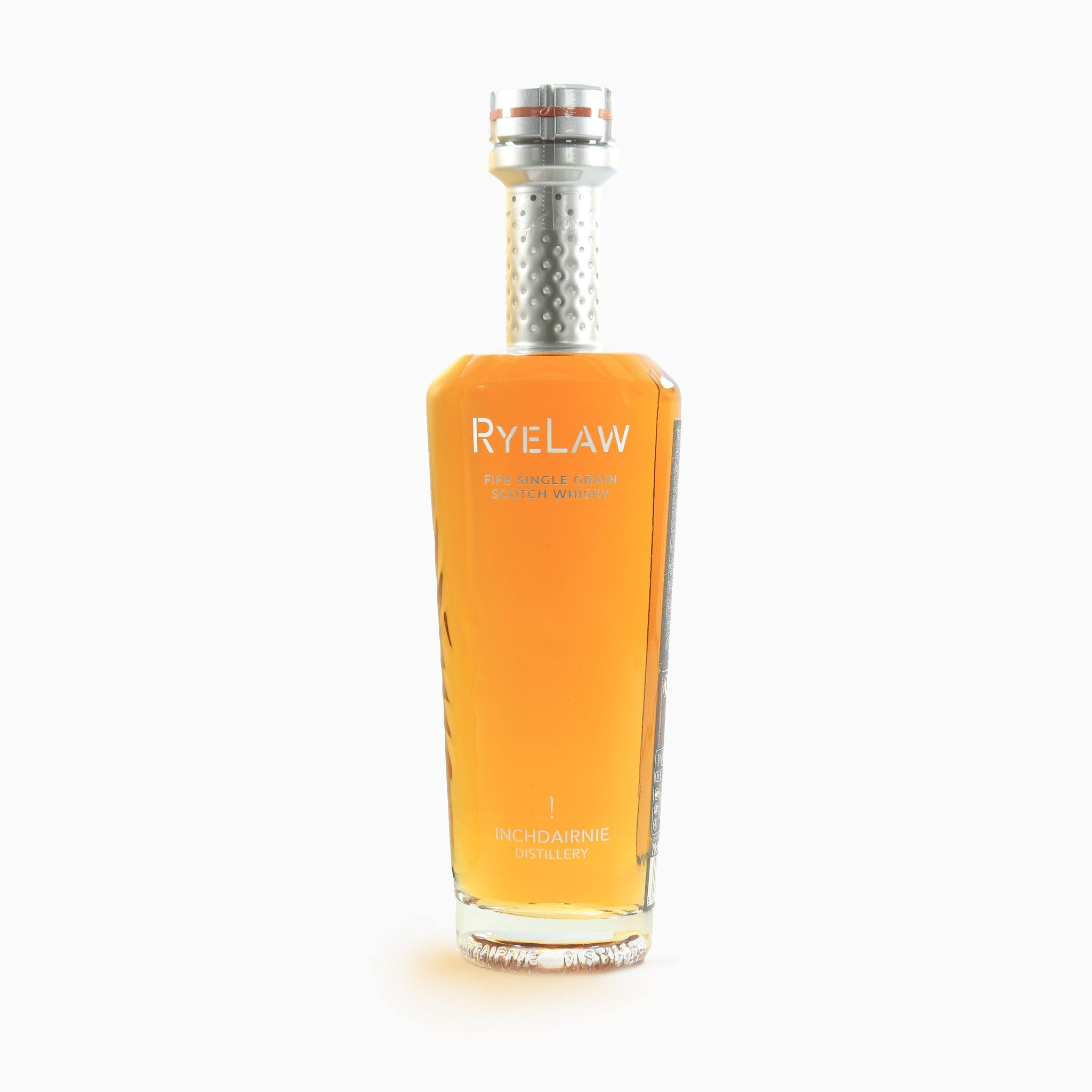
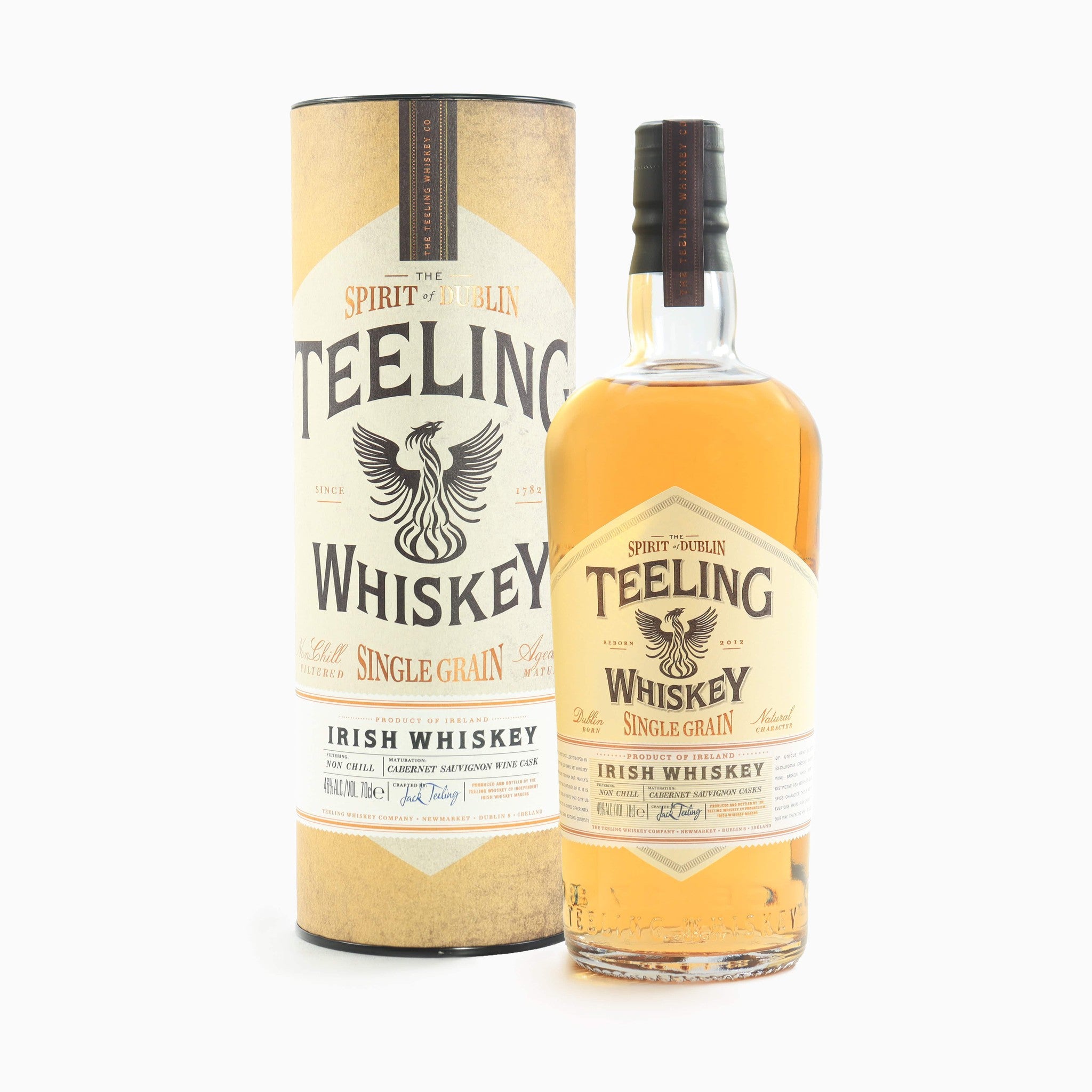
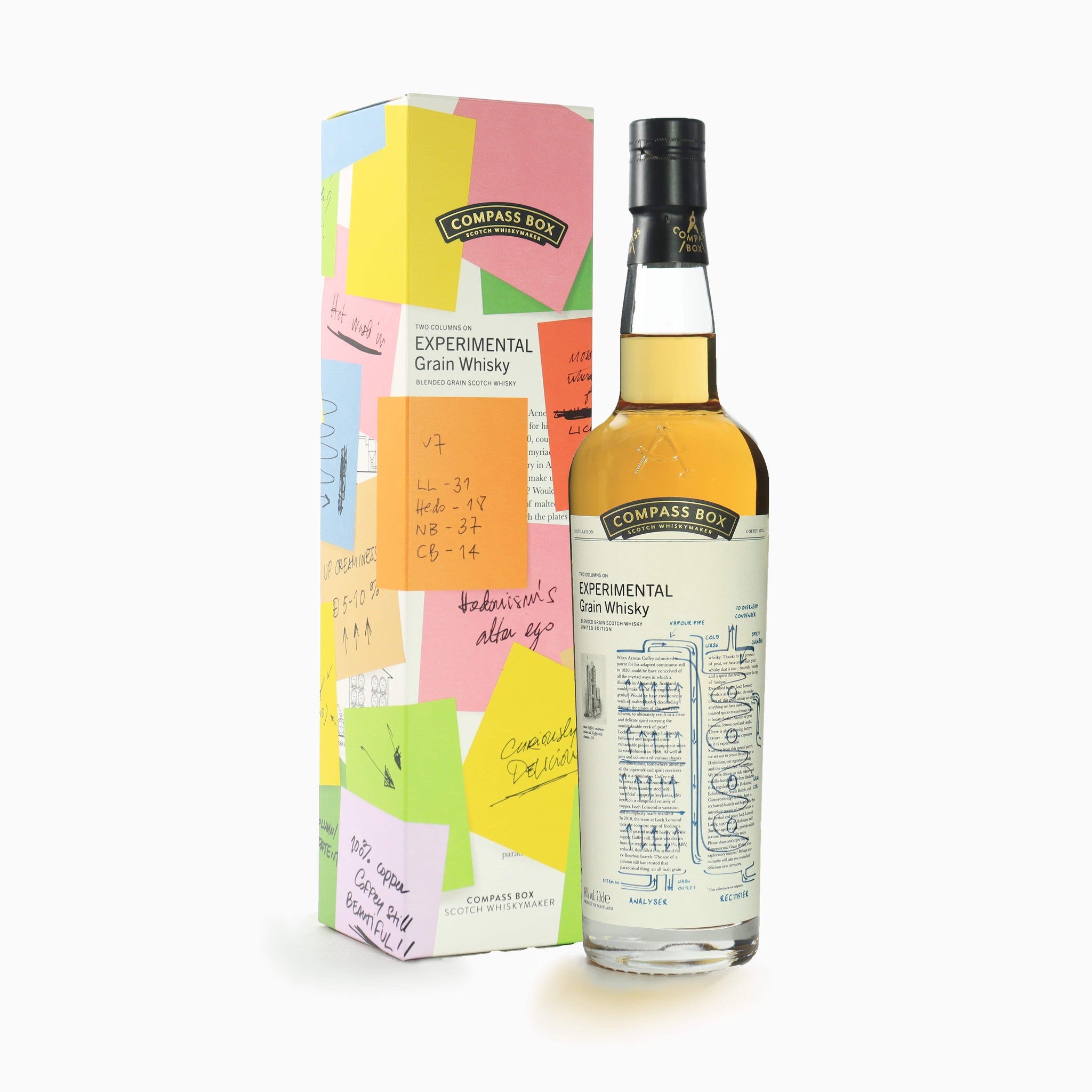
Single grain whisky is a type of Scotch whisky produced at a single distillery using malted barley and other unmalted cereals such as wheat, corn, or rye. The key difference from single malt is that single malt uses only malted barley as its grain source. Single grain whiskies are typically distilled in column stills, resulting in a lighter spirit compared to the pot still distillation used for single malts. This production method often yields a smoother, more subtle whisky that can be easier to approach for new whisky drinkers.
Single grain whisky has historically played a supporting role in the Scotch whisky industry, primarily used as a component in blended whiskies rather than being bottled as a stand-alone product. Its lighter flavour profile made it ideal for creating smooth, approachable blends, but this same quality led to it being overshadowed by more intensely flavoured single malts in the premium market. Additionally, there are fewer grain distilleries in Scotland compared to malt distilleries, resulting in less variety and availability. However, in recent years, there's been a growing appreciation for single grain whiskies, particularly well-aged expressions, as whisky enthusiasts and producers recognise their unique qualities and potential for excellence.
When tasting single grain whisky, approach it with an open mind and don't expect it to taste like a single malt. Start by appreciating its typically lighter colour, which often results from the use of refill casks in maturation. On the nose, single grains can be quite subtle, so take your time to detect the delicate aromas. When tasting, note the generally lighter body and smoother mouthfeel compared to single malts. Pay attention to the interplay between the base spirit and the cask influence, which can be more pronounced in grain whiskies. Single grains often excel with extended ageing, so older expressions can offer remarkable complexity and depth. Consider trying it neat first, then with a drop of water to open up the flavours.
You May Also Love These
The Craftmanship, The Heritage
Discover More About Whisky

4 Scotch Whiskies We'd Recommend to Anyone (All Under £55)

Negroni: The Italian Classic Worth Mastering